

The cutting-edge technology and tools we provide help students create their own learning materials. StudySmarter’s content is not only expert-verified but also regularly updated to ensure accuracy and relevance. Always use the latest data available for conducting vertical analysis to ensure accuracy and relevance. Similarly, individual figures of liabilities and Shareholder’s equity is shown vertical analysis formula as a percentage of the mutual total of Liabilities and Shareholder’s Equity. Thus, just insert the respective amounts of the balance sheet in the light blue columns. For example, some companies may sacrifice margins to gain a large market share, which increases revenues at the expense of profit margin.
How to Calculate Attrition Rate in Excel
Benchmarking and vertical analysis are two applications of the same core idea. The company’s management decides on an initial sum to use as a basis or benchmark for measuring the company’s overall level of performance. By comparing a large number of firms at once, analysts can ensure that indicators like net income and total income are comparable among businesses of varied sizes. This article defines vertical analysis, describes its process, and provides many trend assessments of current vertical analysis applications. Chartered accountant Michael Brown is the founder and CEO of Double Entry Bookkeeping. He has worked as an accountant and consultant for more than 25 net sales years and has built financial models for all types of industries.
- On the liabilities and shareholders equity side, we’ve chosen the base figure to be total assets.
- The trending of items on these financial statements can give a business valuable information on overall performance and specific areas for improvement.
- A study by PwC indicated that companies using vertical analysis were 15% more efficient in comparative financial evaluations.
- Likewise, all the items in the balance sheet are stated as a percentage of the total assets.
Steps to Prepare Vertical Analysis in the Balance Sheet
The income statement also uses this presentation with revenue entries referencing total revenues and expense entries referencing total expenses. In conclusion, mastering the art of calculating vertical analysis is crucial for any meticulous and detail-oriented individual. Analyzing and interpreting the results allows for a deeper understanding of trends and patterns, enabling informed decision-making. With practice and attention to detail, you will become proficient in this analytical skill that is highly sought after in the business world. Vertical common size analysis provides a valuable tool for FP&A professionals to gain insights into the composition, trends, and relationships within a company’s financial statements.

Everything You Need To Master Financial Modeling
- Vertical analysis is exceptionally useful while charting a regression analysis or a ratio trend analysis.
- Understanding how to utilize vertical analysis on an income statement provides a clear picture of the proportion of each line item to total sales.
- Each line item’s common-size ratio can then be used to conduct comparative analysis across different fiscal periods or companies, allowing for a standardized approach to analyzing financial statements.
- The first step of vertical analysis is to make a new income statement, such as the common size income statement stated below.
- When we convert data into percentages, we gain a clearer view of the proportion of the company’s overall financial assets and liabilities.
This example shows a vertical analysis of an income statement with the right hand column showing each line item as a percentage of revenue. Vertical analysis makes it much easier to compare and contrast the financial statements of different companies. Let’s walk through a detailed vertical analysis example to see these concepts in action using real income statement and balance sheet figures. The standard base figures for the income statement and balance sheet are as follows. Common-size financial statements often incorporate comparative financial statements that include columns comparing each line item to a previously reported period.
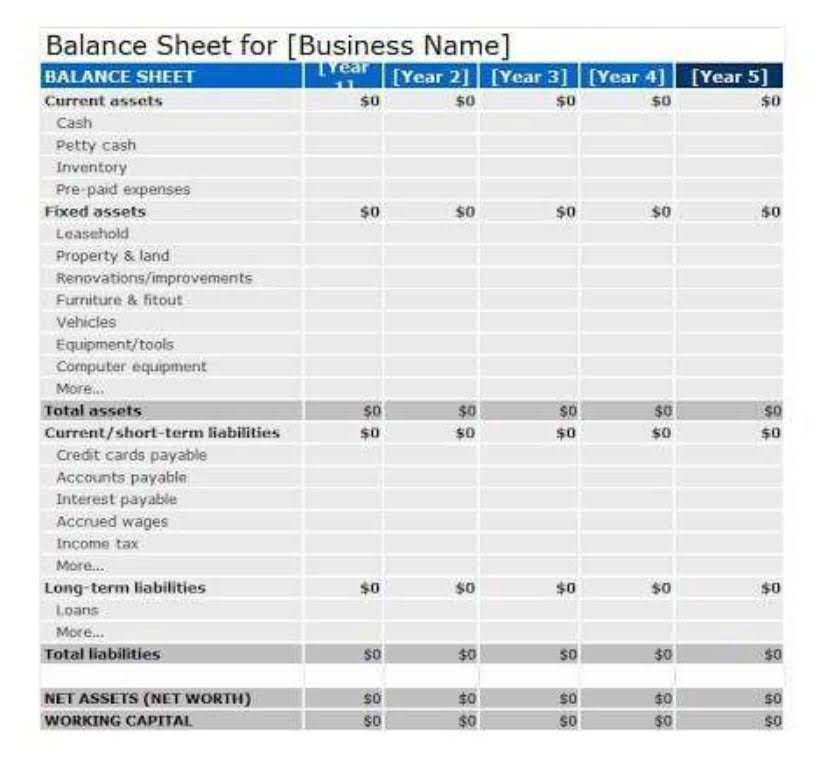
By using vertical analysis, auditors can agree on a standard set of size metrics that let them compare and contrast numbers with very different values quickly and easily. The term vertical analysis came about when a downward straight analysis was done by looking for information in common-sized financial documents. Specifically, percentages from a vertical analysis may not always correspond to percentages of change. It is easy to use, intuitive, and accurate, and it is a must-have tool for anyone trying to gain a deeper understanding of their finances.
How do you apply vertical analysis in accounting?
In order to do a vertical analysis, we would divide the capital expenditures by the total net cash from operating activities, which comes out to Record Keeping for Small Business 9.1%. This means that Apple’s capital expenditures were 9.1% of its total net cash from operating activities for the year. Usually, the vertical analysis is done for a single period to see the proportionate account balances. But you can also it over several periods to identify changes in accounts over time. When comparing any two common size ratios, it is important to make sure that they are computed by using the same base figure. Vertical analysis can be particularly helpful if looking to determine cash and accounts receivable balances over several accounting periods.

Step 3 – Find the Percentage for Each Line Item

In our case, half of the company’s asset base comprises PP&E, with the rest coming from its current assets. Both these aspects are important for business students and finance professionals in India to learn at the grassroots level to analyze a company properly. 20% goes to operating expenses, and the company keeps the other 20% as profit. The above implies that for every dollar of revenue, the business spends 60 cents on goods or services. Suppose we compare these data with those of other companies in the industry, and the results indicate that X has a higher structural value—we can conclude that company X is competitive.